Use this flooring quote guide to compare materials, labor, prep, and warranties, then choose an estimate that fits your Northern Colorado home and budget.
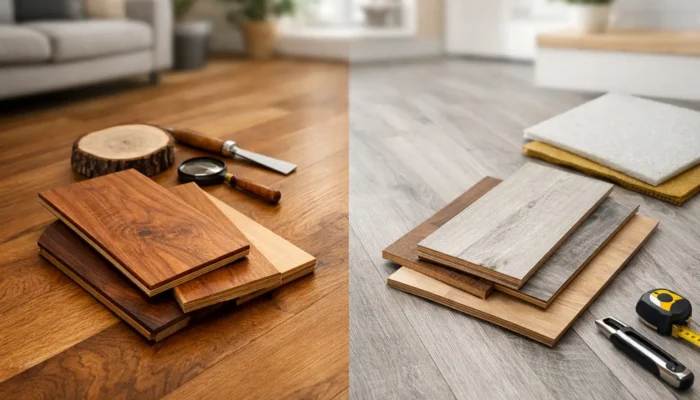
Is Hardwood or Laminate Better for Your Home?
A floor can look beautiful in a sample and still be the wrong fit once muddy boots, a busy dog, dropped toys, and daily life arrive. So, is hardwood or laminate better? For most homeowners, the honest answer depends on where the floor is going, how your family uses the space, and whether you want a long-term investment or a budget-friendly refresh.
Hardwood brings authentic character and lasting value. Laminate delivers a wood-look floor at a lower upfront cost with impressive durability. Neither is automatically the winner. The better choice is the one that matches your home, your expectations, and your budget without creating maintenance headaches later.
Is Hardwood or Laminate Better for Daily Life?
Start with the room and the people using it. A quiet formal dining room has different flooring needs than a living room shared by children, pets, and an active family. Northern Colorado homes also deal with snow, grit, dry indoor air, and seasonal temperature changes, all of which deserve consideration before you choose.
Hardwood is real wood, typically sold as solid planks or engineered planks with a genuine hardwood surface. Its grain, knots, and color variation are natural, which means every installation has a one-of-a-kind look. It feels warm underfoot, adds visual depth, and can work beautifully in open-concept homes where you want a consistent, elevated finish.
Laminate is a layered flooring product with a high-definition decorative surface designed to resemble wood. Quality laminate has come a long way from the shiny, repetitive products many homeowners remember. Today’s options can offer realistic texture, wider planks, and convincing color variation at a price that leaves more room in the remodeling budget.
If your priority is a classic material that can age with the home, hardwood has the advantage. If your priority is a practical, attractive floor that can handle a busy household without a premium price tag, laminate often makes more sense.
Upfront Cost vs. Long-Term Value
Laminate is generally the more affordable option at the time of purchase and installation. That matters when you are updating several rooms, preparing a home for sale, or trying to improve the look of worn flooring without stretching your budget. It can deliver a major visual change for less money than hardwood.
Hardwood costs more because it is a natural material and usually requires more careful preparation and installation. However, it can add to a home’s appeal and is widely recognized by buyers as a desirable feature. In many homes, hardwood is not simply flooring – it is part of the property’s long-term value.
The key distinction is lifespan. Many hardwood floors can be sanded and refinished when the finish becomes worn, colors fall out of style, or surface scratches accumulate. A well-maintained hardwood floor may remain in a home for decades. Laminate cannot usually be refinished. Once it has deep damage, swelling, or worn-through areas, replacement is the typical solution.
That does not mean laminate is a poor value. It means you should view it differently. Laminate is often the smart value choice for homeowners who want a durable floor now, plan to update again in the future, or would rather direct more of their renovation budget toward other projects.
Durability: Scratches, Pets, and Kids
For scratch resistance, quality laminate often has an edge over many hardwood finishes. Its protective wear layer is built for daily traffic, and it can be a strong choice for homes with energetic dogs, kids who drag chairs across the kitchen, or a steady flow of guests.
Hardwood can scratch and dent. A large dog’s nails, furniture legs, high heels, and dropped objects can leave marks, especially on softer species or darker finishes. Yet many homeowners appreciate the way real wood develops character over time. Small scratches do not always ruin hardwood’s appearance, and refinishing offers a path to renewal that laminate does not have.
Water changes the conversation. Traditional hardwood is not ideal for areas with regular moisture exposure, and spills should be wiped up promptly. Standard laminate can also be damaged when water gets into seams or sits on the surface. Water-resistant and waterproof laminate options can provide more peace of mind for kitchens, entryways, and active family spaces, but they still need to be selected and installed correctly.
For bathrooms, laundry rooms, and other spaces where standing water is a real possibility, homeowners should consider whether luxury vinyl may be the better category altogether. Choosing between hardwood and laminate is useful, but it should not force either material into a room where it will struggle.
Appearance, Comfort, and Sound
Hardwood delivers authenticity that laminate cannot fully duplicate. The texture is real, the grain is real, and the way the floor catches light changes from plank to plank. If you are building a forever-home feel, restoring an older property, or choosing flooring for a highly visible main level, that difference can be worth the investment.
Laminate offers more design flexibility for the dollar. You can find light oak looks, warm natural tones, wide-plank styles, modern gray-browns, and richer rustic visuals without paying for a premium hardwood species. This makes laminate especially appealing when you want a coordinated look across several rooms.
Underfoot, hardwood has a solid, substantial feel when it is properly installed. Laminate can feel comfortable as well, particularly with the right underlayment, but it may produce more of a tapping sound as people walk across it. Good preparation and quality padding can make a noticeable difference in comfort and sound control.
Bring samples into the actual room before deciding. A color that looks perfect under showroom lighting can look much warmer, cooler, or darker beside your cabinets and windows. Seeing flooring next to your wall color, furniture, and natural light is one of the simplest ways to avoid an expensive second guess.
Maintenance Expectations Matter
Both choices are easier to live with when homeowners follow a few basic habits: use entry mats, add felt pads beneath furniture, sweep away grit, and clean spills quickly. Those small steps protect almost any hard-surface floor.
Hardwood needs a little more attention because harsh cleaners, excessive water, and neglected scratches can affect the finish. Use products intended for wood flooring and avoid soaking the surface. Seasonal humidity can also influence natural wood, so maintaining stable indoor conditions helps protect the floor.
Laminate is low-maintenance, but it is not maintenance-free. Avoid wet mops that leave standing water, steam cleaning unless the manufacturer specifically approves it, and abrasive products that can dull the finish. Because laminate cannot be refinished, protecting the surface from the start is especially valuable.
When Hardwood Is the Better Choice
Choose hardwood when you want genuine natural material, a floor with strong resale appeal, and the ability to refinish rather than replace it down the road. It is a particularly compelling option for main living areas, dining rooms, bedrooms, and homes where timeless design is a priority.
Hardwood also makes sense when you are comfortable treating the floor as a living material. It may collect a few marks, shift subtly with seasons, and gain character over time. For many homeowners, that is part of the appeal rather than a drawback.
When Laminate Is the Better Choice
Choose laminate when you want the look of wood with a lower initial investment and strong everyday scratch resistance. It is a smart option for family rooms, bedrooms, hallways, and budget-conscious whole-home updates where appearance and practicality need to work together.
Laminate can also be the right move if you are renovating before a sale, updating a rental property, or replacing aging carpet in several spaces at once. You can achieve a clean, current style while keeping more flexibility in the budget.
Make the Choice in Your Own Home
The fastest way to get past the hardwood-versus-laminate debate is to compare real samples where the flooring will live. Look at them in morning light and evening light. Consider your pets, your children, your cleaning routine, and how long you expect to stay in the home. Then compare the complete installed cost, not just the price of a box of flooring.
Choice Floors Northern Colorado helps homeowners make that decision without the showroom runaround. An in-home consultation makes it easier to see materials beside your existing finishes, measure accurately, and receive straightforward guidance based on your lifestyle and budget.
A beautiful floor should support the way your family lives, not ask your family to live around it. Choose the material that gives you confidence every time the front door opens and real life comes inside.

Related Posts