
Use this flooring quote guide to compare materials, labor, prep, and warranties, then choose an estimate that fits your Northern Colorado home and budget.
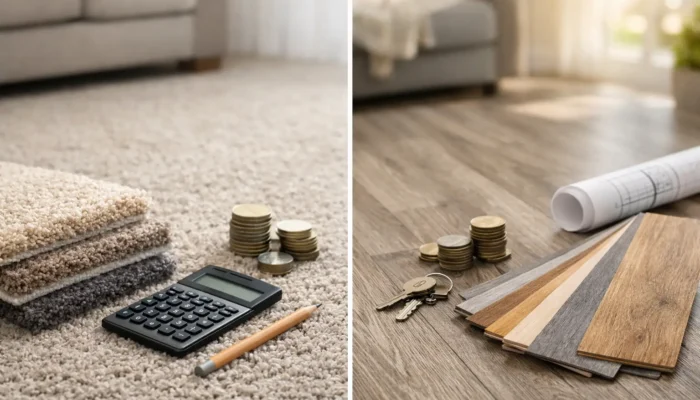
Is Carpet Cheaper Than Vinyl? Real Cost Breakdown
A low sticker price can be misleading when you are replacing flooring in a busy home. If you are asking, is carpet cheaper than vinyl, the honest answer is: sometimes. Basic carpet is often the less expensive option upfront, especially in bedrooms or large spaces. But luxury vinyl can deliver a better long-term value in areas exposed to pets, kids, spills, snow, and daily traffic.
The right choice comes down to more than the price per square foot. Material quality, padding, subfloor preparation, installation, maintenance, and how long you expect the floor to last all affect what you will really spend. Here is how to compare carpet and vinyl without getting caught off guard by the final quote.
Is Carpet Cheaper Than Vinyl at the Start?
For entry-level products, carpet usually costs less than luxury vinyl flooring. Budget carpet can be an appealing solution when you need to cover several rooms quickly, want softness underfoot, and are working within a tight remodeling budget. It can be especially cost-effective in bedrooms, upstairs hallways, and lower-traffic living spaces.
Vinyl flooring, particularly luxury vinyl plank or luxury vinyl tile, typically has a higher starting material cost than basic carpet. It is built in layers and designed to handle more wear, moisture, and everyday cleanup. Higher-quality vinyl can also create the look of hardwood, stone, or tile without the cost and maintenance demands of those materials.
That comparison changes when you move beyond entry-level products. Premium patterned carpet, wool carpet, or carpet with upgraded stain protection can cost as much as, or more than, many quality luxury vinyl options. Likewise, a basic sheet vinyl floor may cost less than a midrange carpet installation. There is no single price winner across every product category.
The Installed Price Matters More Than the Product Tag
Flooring is not a simple material purchase. A square-foot price does not tell you whether old flooring removal, furniture moving, baseboard work, floor leveling, transitions, padding, or moisture protection are included. Those details can make a meaningful difference in the final number.
Carpet installation requires padding, and the quality of that pad affects how the carpet feels and performs. A good pad can help carpet hold up better, but it adds to the project cost. Stairs, oddly shaped rooms, seams, and patterned carpet can also increase labor.
Luxury vinyl does not use carpet padding, but it often requires more attention to the condition of the subfloor. Vinyl can show imperfections underneath it, so uneven areas may need preparation before installation. Existing floors, moisture conditions, and the type of vinyl product selected can also affect labor. Glue-down vinyl, floating vinyl plank, and sheet vinyl each come with different installation needs.
This is why an in-home measurement is so valuable. A flooring professional can see the actual condition of your rooms, identify potential prep work, and provide a written estimate that reflects your home rather than a generic online price.
When Vinyl Can Cost Less Over Time
The upfront cost is only part of the decision. For many active households, vinyl earns its value through easier care and longer-lasting appearance in high-use spaces.
Carpet feels warm and comfortable, but it can trap dirt, allergens, pet hair, and odors. Even stain-resistant carpet needs regular vacuuming and occasional deep cleaning. A single major pet accident, a red drink spill, or muddy shoes after a Northern Colorado snowstorm can leave a mark that is difficult to remove. If the carpet in a family room or dining area needs replacement earlier than expected, the initial savings disappear quickly.
Vinyl is generally easier to live with. Most day-to-day messes can be handled with a sweep, vacuum designed for hard floors, or damp mop. Quality luxury vinyl is water-resistant, and many products are waterproof, making it a strong fit for kitchens, entryways, bathrooms, laundry rooms, and homes with pets. It is not indestructible – sharp objects, heavy furniture, and poor installation can still cause damage – but it is far more forgiving around routine spills.
If you plan to stay in your home for years, choosing a durable floor in high-traffic areas may prevent an earlier replacement project. That is where vinyl often becomes the more economical choice.
Room-by-Room: Where Each Flooring Type Makes Sense
There is no rule saying you must use one flooring type throughout the whole house. In fact, combining carpet and vinyl is often the smartest way to control your budget while giving each room the performance it needs.
Bedrooms and Upstairs Spaces
Carpet is a natural fit for bedrooms. It is soft when you get out of bed, helps reduce sound between floors, and creates a comfortable, quiet feel. If the room has limited traffic and no frequent moisture exposure, carpet can be an excellent value.
Living Rooms and Family Rooms
Either option can work here. Carpet provides a cozy feel for movie nights and playtime, while vinyl offers easier cleanup for families with young children or pets. Consider how your household actually uses the room. A formal living room may be a good carpet candidate. A family room that doubles as a snack zone, dog lounge, and play area may be better served by luxury vinyl.
Kitchens, Entryways, Bathrooms, and Laundry Rooms
Vinyl is usually the practical choice for spaces where water, mud, and frequent messes are part of daily life. It offers a comfortable walking surface compared with ceramic tile while being much easier to clean than carpet. In an entryway, vinyl can also handle wet boots, dropped bags, and everyday foot traffic without demanding constant attention.
Basements
Basements require a close look at moisture conditions. Carpet can make a finished basement feel inviting, but moisture under the pad can lead to odor or mold concerns. Depending on the space and subfloor, vinyl may offer more peace of mind. The best recommendation depends on your basement’s condition and how you want to use the room.
Comfort, Noise, and Resale Value Are Part of the Cost Equation
A floor that costs less but does not suit your lifestyle is not a bargain. Carpet has clear comfort advantages. It is warmer underfoot, softer for toddlers, and better at absorbing sound. If comfort and quiet are priorities, carpet can be worth choosing even when vinyl has a stronger durability profile.
Vinyl brings a different kind of value. It provides a clean, current look that many buyers appreciate, particularly in main living areas. Coordinated luxury vinyl throughout a kitchen, dining area, hall, and living room can make a home feel larger and more cohesive. It can also be a practical upgrade if you are preparing to sell and want a durable, low-maintenance surface that appeals to a wide range of buyers.
Neither material automatically increases home value in every situation. Product quality, installation quality, the condition of the existing floor, and the overall style of the home matter more than simply choosing carpet or vinyl.
How to Get the Best Flooring Value for Your Budget
Start by setting priorities for each room instead of shopping only by the lowest square-foot price. Think about pets, children, spills, comfort, noise, cleaning time, and how long you expect to keep the flooring. Then compare complete installed estimates using products that are appropriate for those needs.
Ask what is included in the estimate, especially removal, disposal, subfloor preparation, padding, transitions, and installation. It is also wise to look at samples in your home, where your lighting, paint colors, furniture, and daily traffic tell a more useful story than a showroom aisle ever can.
For homeowners who want a straightforward answer without the showroom runaround, Choice Floors Northern Colorado brings name-brand options and professional guidance directly to your home. Seeing carpet and vinyl samples in the rooms where they will be installed makes the choice clearer and helps prevent expensive second-guessing.
Carpet may be the cheaper choice for a comfortable, low-traffic bedroom. Vinyl may be the better buy for a kitchen that sees muddy paws, busy mornings, and frequent spills. Let the way your family lives make the decision – then choose a quality product and installation plan that will still feel like a smart investment years from now.

Related Posts