
Use this flooring quote guide to compare materials, labor, prep, and warranties, then choose an estimate that fits your Northern Colorado home and budget.
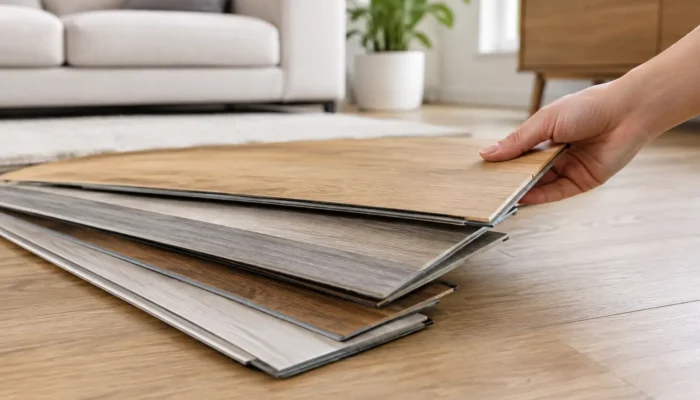
Guide to Luxury Vinyl Thickness for Your Home
A plank can look perfect in a sample and still be the wrong fit for your home. That is why this guide to luxury vinyl thickness looks beyond color and pattern. Thickness affects how a floor feels underfoot, how it handles an uneven subfloor, and whether it makes sense for a busy kitchen, a pet-filled living room, or a budget-conscious remodel.
Luxury vinyl is one of the most practical choices for Northern Colorado homes because it can deliver the look of hardwood or tile with strong water resistance and easier day-to-day care. But not every vinyl product is built the same. The best thickness is not automatically the largest number on the label. It is the thickness and construction that match your rooms, existing floors, household traffic, and installation plan.
What Luxury Vinyl Thickness Actually Means
When homeowners compare luxury vinyl plank or tile, they often see two different measurements: total product thickness and wear-layer thickness. They matter for different reasons, and mixing them up can lead to a disappointing purchase.
Total thickness is measured in millimeters. It includes the backing, core, design layer, and protective top layer. A typical luxury vinyl floor may range from about 2 mm to 8 mm or more. In general, a thicker product can feel more substantial, provide better support over minor subfloor imperfections, and help reduce the hollow sound sometimes associated with thinner floating floors.
Wear-layer thickness is measured in mils, not millimeters. One mil is one-thousandth of an inch. This clear protective layer sits on top of the design film and is what helps the floor resist scratches, scuffs, stains, and everyday wear. A 20-mil wear layer is not the same as a 20-mm floor – it is a completely separate measurement.
For a home with children, dogs, active entryways, or frequent entertaining, the wear layer deserves just as much attention as the total plank thickness. A beautiful 6.5-mm plank with a light-duty wear layer may not be the best long-term value for a high-traffic family room.
A Guide to Luxury Vinyl Thickness by Room
There is no single “right” thickness for every room. Your flooring needs change depending on what happens in that space and what is already underneath it.
Bedrooms and low-traffic rooms
For bedrooms, guest rooms, and low-use offices, a thinner luxury vinyl product can be a smart way to control renovation costs. A floor in the 4 mm to 5 mm range may perform very well when paired with a sound, level subfloor and an appropriate wear layer. These rooms typically see less grit, less moisture, and fewer dropped toys or dragged chairs than the main areas of the home.
That does not mean you should choose the least expensive option without looking closely. Lower-cost products can be less forgiving if the subfloor has dips, high spots, or seams. Proper preparation still matters, even in a quiet room.
Living rooms, halls, and family spaces
Main living areas usually benefit from a more substantial product, often around 5 mm to 7 mm total thickness. These are the rooms where families gather, pets run, furniture gets moved, and guests come through the door. A thicker plank can offer a more solid feel and may do a better job bridging very minor imperfections once the subfloor has been properly prepared.
For these spaces, many homeowners should consider a 12-mil to 20-mil wear layer, depending on their lifestyle. A 12-mil option can be a good fit for normal residential use. A 20-mil wear layer is a stronger choice for busy households that want added protection against dog nails, chair movement, and heavy daily traffic.
Kitchens, bathrooms, laundry rooms, and mudrooms
Luxury vinyl is a popular choice for moisture-prone rooms, but thickness alone does not make a floor waterproof. The product’s construction, locking system or adhesive installation, perimeter details, and proper installation all play a role in how it handles spills.
A quality rigid-core product in the 5 mm to 8 mm range is often a practical fit for kitchens, laundry rooms, and mudrooms. It can feel sturdy underfoot and stand up well to daily use. Bathrooms may call for extra attention to transitions, toilet areas, and perimeter sealing where appropriate. Water-resistant flooring is helpful, but no floor should be treated as a substitute for cleaning up standing water quickly.
The Core Can Matter More Than an Extra Millimeter
Two vinyl floors with the same total thickness can perform very differently because of the core. This is where product construction becomes more than a technical detail.
Flexible glue-down luxury vinyl is usually thinner, often around 2 mm to 3 mm. It is durable, stable, and an excellent option when a low profile is needed, such as around cabinets, appliances, or existing doorways. Because it is glued directly to the subfloor, it requires a very smooth, well-prepared surface. It does not hide flaws – it can reveal them.
Rigid-core flooring is thicker and designed as a floating floor. SPC, or stone polymer composite, has a dense, firm core that handles temperature changes well and offers excellent dent resistance. It is a strong option for active homes, though it can feel firmer underfoot than other types.
WPC, or wood polymer composite, has a softer, more cushioned core. It can provide a warmer, quieter feel, which some homeowners prefer in bedrooms and living areas. However, WPC is generally not as resistant to heavy point loads as SPC. If you have a very heavy island, large furniture, or rolling equipment, the right product and installation guidance matter.
The takeaway: do not choose a floor based on one thickness number alone. A well-made 5.5-mm SPC floor may be a better choice for your home than a thicker product with a weaker core or lower-quality finish.
Thicker Flooring Does Not Fix a Bad Subfloor
This is one of the most expensive misunderstandings in flooring. A thicker luxury vinyl plank may help with slight texture or minor variation, but it cannot correct significant low spots, humps, loose areas, moisture concerns, or structural movement.
If a floating floor is installed over an uneven subfloor, the planks can flex too much. Over time, that may stress the locking edges, create noise, or lead to gaps and damaged joints. With glue-down vinyl, subfloor imperfections can telegraph through to the surface.
Professional measuring and site evaluation are valuable because they address the real question: what will this floor need to perform properly in your house? That is more useful than guessing from a showroom sample or a product photo. At-home product selection also lets you see how a plank’s thickness, texture, and color work with your lighting, cabinets, and adjoining floors before making a final decision.
Consider Floor Height Before Choosing a Thick Plank
A thicker plank changes the finished floor height. That may sound minor, but it can affect door clearance, transitions into tile or carpet, appliance openings, baseboards, and stair details. If you are replacing thin sheet vinyl with a 7-mm rigid-core floor, the difference can be noticeable.
This does not mean thicker flooring is a problem. It simply means the installation plan should account for it. Sometimes a thinner glue-down product is the better solution for a remodel because it avoids trimming doors or creating awkward transitions. In other cases, a thicker floating product is worth the added height because it provides the look and feel the homeowner wants.
The right answer depends on the home, not on a blanket rule.
Do You Need an Attached Pad?
Many rigid-core luxury vinyl products include an attached pad. This can improve sound control and add a little comfort, but it should not be confused with a thick, soft carpet pad. Its job is usually to support the flooring system and reduce sound, not to hide an uneven subfloor.
Do not add extra underlayment unless the manufacturer specifically allows it. An unapproved pad can make the floor flex excessively and may affect the warranty. If sound reduction is a major concern, especially in an upstairs room or condo, choose a product designed for that need and confirm the approved installation method.
How to Choose Without Overpaying
The best value is not always the lowest price per square foot, and it is not always the thickest plank. Start with your household. Consider pets, children, direct entry from outside, rolling office chairs, sunlight, moisture exposure, and how long you plan to stay in the home.
Then compare the full product: total thickness, core type, wear layer, finish, warranty, and installation requirements. A practical mid-range floor with the right wear layer and professional installation can outperform a premium-looking product that is mismatched to the room or installed over an unprepared subfloor.
For homeowners who want straightforward guidance without the showroom runaround, Choice Floors Northern Colorado can bring samples to your home, measure the space, and help match luxury vinyl thickness to your lifestyle and budget. You deserve a floor that looks right on day one and keeps working when life gets busy.

Related Posts