Use this flooring quote guide to compare materials, labor, prep, and warranties, then choose an estimate that fits your Northern Colorado home and budget.
What to Expect From Flooring Installation
The furniture is moved, the old floor is coming out, and suddenly a room that has been part of daily family life looks like a real jobsite. If you are wondering what to expect from flooring installation, knowing the process ahead of time makes the experience much less stressful. A professional installation should feel organized, well communicated, and focused on getting your home back to normal with a floor you will enjoy for years.
At Choice Floors Northern Colorado, the goal is simple: help homeowners get quality name-brand flooring, expert installation, and a clear plan without spending weekends wandering through a showroom. Here is how a typical flooring project moves from selection to final walkthrough.
Before Flooring Installation: Decisions That Matter
A successful installation starts well before installers arrive. Your in-home consultation is the time to compare samples in your actual lighting, next to your cabinets, paint colors, furniture, and existing finishes. A floor can look very different under a showroom’s overhead lighting than it does in a sunny Fort Collins living room or a busy family kitchen.
This is also when the practical questions get answered. Do you need a waterproof luxury vinyl floor for muddy paws and active kids? Would carpet make a basement more comfortable? Is laminate a smart fit for the budget and the traffic in the room? Hardwood offers lasting character, but it needs the right conditions and care. The best choice is not always the most expensive material. It is the one that fits how your household actually lives.
During the visit, your flooring professional measures the space, reviews transitions between rooms, checks the existing floor, and identifies details that can affect the estimate. Those details may include stairs, closets, baseboards, subfloor condition, appliances, furniture moving, and removal of old flooring. A written estimate should make the scope clear so there are fewer surprises once work begins.
What to Expect During Flooring Installation
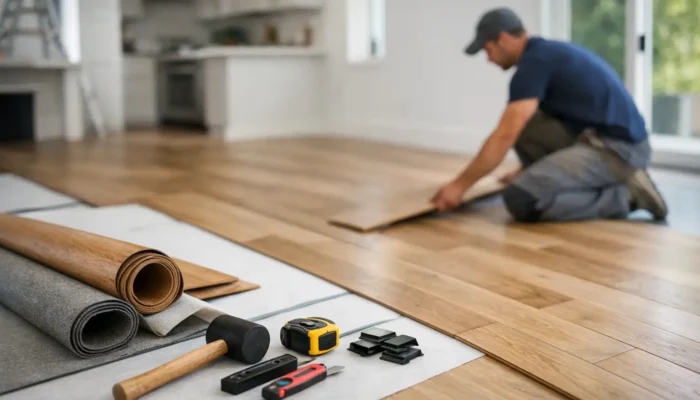
Installation day usually begins with a quick review of the project. The crew confirms the areas being completed, discusses access to the home, and answers any final questions before work starts. Depending on the product and the size of the project, installation may take one day or several days.
Expect some noise and activity. Old flooring removal, floor preparation, cutting materials, and moving tools all create a busy environment. Carpet installation can move quickly in an open room, while hardwood installation or a project that needs subfloor repair may require more time. Tile is not part of every flooring project, but when it is involved, drying and curing times can extend the schedule.
The room will not be fully usable while the work is underway. If possible, plan to keep children and pets away from the installation area. This protects them from tools, exposed tack strips, dust, and open doorways while giving the installers room to work efficiently.
Removal and subfloor preparation
Removing the old floor is often the first major step. What happens next depends on what is underneath. A floor that looks level from above can have low spots, loose areas, moisture concerns, old adhesive, or damage that only becomes visible after removal.
Your new floor needs a solid, clean, and properly prepared surface. Luxury vinyl, laminate, and hardwood all have different tolerances for unevenness. Carpet needs a sound surface and the proper padding. If repairs or leveling are needed, addressing them is not an unnecessary add-on. It protects the performance and appearance of the flooring you just invested in.
This is one area where every project is different. A straightforward replacement over a clean, stable subfloor may stay right on schedule. A hidden issue may add time or cost. Clear communication matters most here. You should understand what was found, why it matters, and what options are available before additional work moves forward.
Installation, transitions, and finishing details
Once the surface is ready, the crew installs the flooring according to the product requirements. Some materials need time to acclimate in the home before installation. Hardwood is especially sensitive to moisture and temperature, while many vinyl and laminate products have their own manufacturer guidelines. Following those requirements helps prevent gaps, movement, or other problems later.
The finishing work is where a professional job starts to look complete. Installers handle transitions where one floor meets another, trim around doorways, and the clean edges that make the new surface feel intentional rather than unfinished. Depending on the scope, baseboards may need to be removed and reinstalled, or new shoe molding may be used to finish the perimeter.
Do not be surprised if there is a small amount of material left over. Keeping a few extra planks, tiles, or carpet remnants can be helpful for a future repair. The amount varies by product, room shape, pattern direction, and installation method.
How to Prepare Your Home
A little preparation helps the crew work faster and helps protect your belongings. Before installation, confirm who is responsible for moving furniture, appliances, and electronics. Some heavy pieces, such as pianos, pool tables, aquariums, or built-in items, may need special arrangements.
For a smoother installation day, take care of these details in advance:
- Remove breakables, wall decor, and small items from the work area.
- Clear closets, cabinets near the floor, and under-bed storage when those spaces are included.
- Make a plan for pets, especially if exterior doors may be open during material delivery and removal.
- Keep a clear path from the entry point to the installation area.
- Ask about parking, gate access, and any community rules that could affect the crew.
If you are replacing flooring in a kitchen, ask whether appliances will be moved and whether the new flooring will run underneath them. If the project includes bathrooms, plan for temporary access to another bathroom if possible. These are small logistics, but they make a big difference in a busy home.
Expect Dust, but Not Disorder
Flooring work can create dust, even when the crew uses careful removal and cleanup practices. Removing old carpet, pulling up staples, cutting wood, or scraping adhesive naturally stirs up debris. Cover or relocate sensitive electronics and items you do not want exposed to dust.
A professional crew should respect your home throughout the job. That means protecting work areas when practical, keeping materials organized, collecting debris, and completing a reasonable cleanup before leaving. Installation is not always silent or spotless while it is happening, but it should never feel careless.
You may also notice normal product-related odors after installation. New carpet, padding, adhesives, and finishes can have a temporary smell. Ventilating the space as recommended and following product guidance usually helps. If anyone in the household has sensitivities, mention that during product selection so materials can be matched thoughtfully to your needs.
The Final Walkthrough Is Your Time to Ask Questions
Before the project is considered complete, walk through each finished area with the installer or project representative. Look at seams, transitions, edges, door clearances, and the overall appearance of the floor. Ask how long to wait before returning furniture, when rugs are safe to place, and what cleaning products are appropriate.
This is also the time to learn about basic care. A waterproof vinyl floor still benefits from regular cleaning and prompt attention to spills. Hardwood needs protection from standing water and furniture scratches. Carpet lasts longer with routine vacuuming and professional cleaning when recommended. The right care protects both the look of the floor and the value of your investment.
A new floor changes more than the surface under your feet. It can make a room easier to clean, more comfortable for family time, better suited to pets, and more aligned with the home you want to enjoy. With the right product, clear expectations, and a trusted installation team, the temporary disruption is simply the short step between an outdated room and a home that feels ready for what is next.

Related Posts