Use this flooring quote guide to compare materials, labor, prep, and warranties, then choose an estimate that fits your Northern Colorado home and budget.
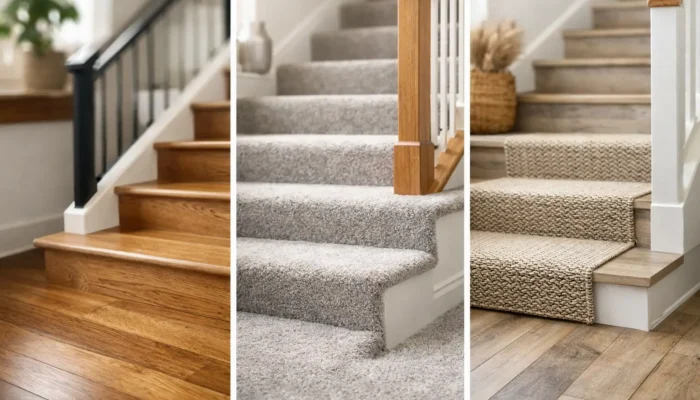
Best Flooring for Stairs: What Works Best?
A staircase gets punished in a way most floors never do. Every step lands in the same narrow path, and if you have kids, pets, or a busy household, those treads take a beating fast. That is why choosing the best flooring for stairs is less about chasing trends and more about finding the right mix of safety, durability, comfort, and price.
For most homeowners, there is no single perfect answer. The best choice depends on who uses the stairs, how much noise you can tolerate, how important slip resistance is, and whether you want a soft, quiet feel or a clean, hard-surface look. The good news is that you do not have to sort through dozens of showroom samples to figure it out. Once you know what matters most in your home, the right option gets a lot clearer.
What makes the best flooring for stairs different?
Stairs are not like the rest of your floor. Flat rooms spread out wear. Stairs concentrate it. The nose of each tread, the center walking line, and the transitions between steps all get repeated impact every day.
That changes the decision. A flooring product that looks great in a bedroom or office may not perform nearly as well on stairs. You need a material that can handle constant foot traffic, stay secure at the edges, and make going up and down feel safe for everyone in the house.
Noise also matters more than most people expect. Hard surfaces on stairs can sound louder than the same material in a living room because every footstep echoes. If your staircase sits near bedrooms or a main family area, that alone can shape your decision.
Carpet on stairs
Carpet remains one of the most popular answers for homeowners asking about the best flooring for stairs, and for good reason. It is usually the safest option underfoot because it offers traction and a softer landing. If someone slips, carpet is more forgiving than a hard surface.
It is also the quietest choice. In homes with children running upstairs, dogs chasing toys, or family members on different schedules, carpet helps cut down on the constant thump of stair traffic. That comfort factor is hard to ignore.
The trade-off is wear and maintenance. Stairs can make carpet show traffic patterns faster than nearby rooms. Lower-quality carpet may crush down on the tread edge or start looking matted in a short time. If you choose carpet for stairs, quality matters. A durable, dense carpet with the right padding will hold up much better than a bargain option that looks good only on day one.
Carpet is often a smart fit for families who want comfort, quieter steps, and a safer surface. It is especially appealing in homes where little kids or older adults use the stairs regularly.
Hardwood on stairs
Hardwood stairs have a classic, high-end look that many homeowners love. They can make an entryway feel more open and polished, and they pair well with many design styles, from traditional to modern.
But hardwood on stairs is a beauty-versus-practicality decision in some homes. It is durable, but it is also one of the louder and slicker options. If you have socks on, a fast-moving dog, or kids who treat the stairs like a racetrack, hardwood can feel less forgiving.
Scratches and visible wear are another factor. Stair treads tend to show damage sooner than wider floor areas because every foot lands in the same place. That does not mean hardwood is a bad choice. It means it works best when homeowners go in with realistic expectations and choose a species, finish, and installation method that can stand up to daily use.
Many people who want hardwood stairs add a runner for traction and noise control. That can be a smart middle ground if you like the look of wood but want a little more comfort and safety.
Luxury vinyl flooring on stairs
Luxury vinyl has become a go-to source for busy households, and stairs are no exception. If you want a hard surface that is easier to maintain than carpet and typically more budget-friendly than hardwood, luxury vinyl deserves a serious look.
One reason homeowners like it is versatility. It can give you the look of wood while handling moisture, scratches, and day-to-day messes better than some traditional materials. For families with pets or kids, that practical side matters.
That said, not every luxury vinyl product is ideal for stairs. Stair installation requires careful attention to fit, edge treatment, and tread stability. The product has to be appropriate for that application, and the installer needs to know how to handle the details. Poor stair installation stands out quickly, both visually and in performance.
Luxury vinyl can also be quieter and slightly softer underfoot than hardwood or laminate, depending on the product. It still will not feel like carpet, but for many homeowners, it hits a nice middle ground between comfort, style, and maintenance.
Laminate on stairs
Laminate is often chosen because it delivers a wood-look style at a lower price point. It can be durable and attractive, and in some homes it works well on stairs.
Still, laminate has a few limitations worth thinking through. It can be loud, and some products feel harder and slicker underfoot than homeowners expect. Stair noses and trim details also matter a lot with laminate. If those pieces are not matched and installed correctly, the staircase can look pieced together instead of finished.
Laminate can be a good fit for homeowners focused on value and appearance, but it is not always the best first choice for families prioritizing softness, quiet, or maximum slip resistance.
Which stair flooring is best for families with pets and kids?
In most family homes, the best answer usually comes down to carpet or luxury vinyl. Carpet wins on softness, traction, and noise reduction. Luxury vinyl wins on easier cleanup, strong durability, and a cleaner hard-surface look.
If your priority is safety and comfort, carpet usually comes out ahead. If your priority is resisting scratches, reducing maintenance, and matching nearby hard-surface floors, luxury vinyl often makes more sense.
Hardwood can still work in a family home, but it tends to ask for more caution and more upkeep. Laminate may save money up front, but it is not always the most forgiving option on stairs.
Style matters, but performance matters more
It is easy to get pulled toward whatever looks best in a sample. On stairs, that can be a mistake. Small flooring samples do not show how a material will feel after hundreds of trips up and down.
This is where in-home shopping makes a real difference. Looking at flooring in your actual light, next to your wall color, railings, and nearby rooms helps you make a decision that is grounded in real life, not showroom guesswork. More important, it gives you a chance to compare materials based on how your household actually lives.
A family with a shedding dog and two teenagers needs a different stair solution than an empty nester updating a formal front staircase. The best flooring for stairs is the one that fits your traffic, your budget, and your tolerance for noise and maintenance.
Installation matters as much as the material
Stairs are not the place to cut corners. Even a strong flooring product can disappoint if the installation is rushed or handled by someone without stair experience. Uneven edges, loose stair noses, poor transitions, and bad pattern alignment show up fast.
That is why homeowners should think beyond the product itself. Professional measuring, clear recommendations, and certified installation matter here. You deserve nothing less, especially on a part of the home used every single day.
For many homeowners, the smartest move is working with a flooring partner who can bring samples to the house, evaluate the staircase in person, and give a written estimate based on the materials that truly fit the space. That saves time, helps avoid expensive missteps, and often saves 30-60% compared with the big box experience.
So what is the best flooring for stairs?
If you want the safest and quietest option, carpet is hard to beat. If you want durability, easier cleanup, and the look of wood without the price tag of solid hardwood, luxury vinyl is often the strongest overall value. Hardwood works well for homeowners focused on appearance and long-term style, especially if they are comfortable adding a runner. Laminate can work, but it usually makes the most sense when budget is the deciding factor.
The right answer is not about picking what is trendiest. It is about choosing what will still feel right six months from now, after muddy shoes, pet claws, laundry trips, and busy weekday mornings. When your stairs are finished with the right material and installed the right way, you notice it every day – not because something is wrong, but because everything simply works.

Related Posts