Use this flooring quote guide to compare materials, labor, prep, and warranties, then choose an estimate that fits your Northern Colorado home and budget.
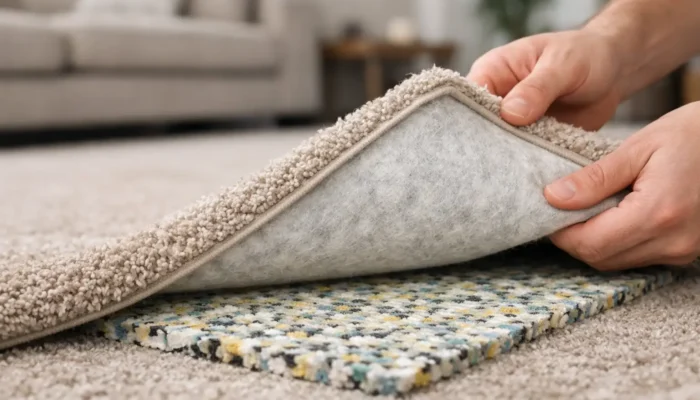
Is Carpet Padding Worth It? Yes – Usually
That bargain carpet can stop feeling like a bargain the second you walk on it. Homeowners often focus on color, style, and price per square foot, then treat the cushion underneath as an optional add-on. But if you are asking whether carpet padding worth it is the right question, the short answer is yes in most homes – and the better question is what kind of padding makes sense for the way you live.
Padding is not just there to make carpet feel softer. It supports the carpet, helps it wear more evenly, adds insulation, cuts down noise, and changes how the whole floor feels underfoot. In a busy family home with kids, pets, guests, and furniture moving around, that layer underneath can make a bigger difference than many people expect.
Is carpet padding worth it for most homes?
In most cases, absolutely. Carpet without proper padding tends to wear out faster, feel flatter, and show traffic patterns sooner. Even a good carpet can underperform if the pad underneath is too thin, too cheap, or simply the wrong match.
That does not mean the thickest or most expensive pad is always the best choice. This is where homeowners get tripped up. A carpet system works when the carpet and pad are chosen together. Too much cushion can actually create problems with wear, wrinkling, or poor support, especially with certain carpet styles.
If your goal is to save money long term, padding is usually money well spent. It can help protect the carpet investment you are already making instead of forcing an earlier replacement.
What carpet padding actually does
A lot of people think padding is mainly about comfort. Comfort matters, of course, but that is only part of it.
A quality pad absorbs impact from daily foot traffic so the carpet backing is not taking the full hit every time someone walks across the room. That helps the carpet maintain its appearance longer. It also gives the floor a more finished feel, reduces some sound transfer, and can add a bit of thermal value in colder months.
For upstairs bedrooms, family rooms, and finished basements, the comfort difference is easy to notice. For hallways, stairs, and high-traffic living areas, the support factor matters even more. In those spaces, the right pad can help the carpet hold up under real-life use instead of just looking good on day one.
When upgrading the pad makes the biggest difference
If you are replacing builder-grade carpet, this is often where homeowners notice the biggest payoff. Many original carpets in newer homes were installed with minimal padding to keep construction costs down. The result is a floor that feels worn out sooner than expected.
Upgrading the carpet alone helps, but upgrading the pad at the same time usually gives you a more dramatic improvement in comfort and performance. That is especially true if your current carpet feels hard, noisy, or matted in the main walkways.
Homes with pets and children also benefit more from a better pad. There is more running, jumping, spills, and general wear. A stronger, properly selected cushion can help the flooring handle that daily activity with fewer signs of stress.
When carpet padding is worth it less than you think
There are a few cases where the answer gets more nuanced.
If you are carpeting a room that rarely gets used and you are on a very tight budget, you may not need a premium pad. A guest room that sees a handful of visits a year does not need the same support as a main family room. You still need padding, but you may not need to pay for top-tier performance.
The same goes for short-term plans. If you know you will remodel again soon or sell the home in the near future, you may choose a solid mid-range option instead of a higher upgrade. The key is not skipping the pad. It is choosing the right level for the room and your timeline.
Thickness and density matter more than most people realize
This is where buying based on price alone can backfire.
Many homeowners assume thicker automatically means better. It sounds logical, but carpet padding does not work that way. Density is often more important than thickness because it affects support and durability. A pad that is too soft can let the carpet flex too much, which may wear the backing faster.
Different carpet styles also call for different pad specs. Berber and other low-pile loop carpets usually need firmer support. Plush or textured carpets may allow for a different feel. The right match depends on the carpet product, the room, and how much traffic the area gets.
That is why in-home guidance matters. Looking at a sample in isolation does not tell you how the full carpet system will perform once it is installed in your house.
The cost question homeowners really care about
Most people asking is carpet padding worth it are really asking whether the upgrade pays off enough to justify the added cost.
Usually, yes. Padding is a relatively small part of the total project compared with the carpet itself and the installation. But it has an outsized effect on comfort, lifespan, and how satisfied you feel once the job is done.
If you choose a cheap pad to save a little upfront, you may end up with a carpet that does not feel as good or last as long as it should. That is frustrating because the visible product gets blamed, when the hidden layer underneath is often part of the problem.
A better approach is to think in terms of value, not just price. Spending a bit more on the right pad can help the carpet stay attractive and comfortable for years longer. For many families, that is the smarter savings move.
Where better padding pays off the most
Some rooms give you a bigger return on the upgrade.
Family rooms, bedrooms, stairs, and upstairs areas are usually worth closer attention. In those spaces, comfort and noise control matter more, and traffic can be heavy. If you have children playing on the floor or pets racing through the house, those are strong reasons not to cut corners.
Basements can also benefit from the right pad, although moisture conditions need to be considered. Not every pad type is ideal in every environment. If a room has specific concerns, matching the cushion to the space matters just as much as picking the carpet.
Installation matters too
Even a quality pad can underperform if it is installed poorly. Gaps, wrinkles, improper seams, or the wrong pad for the selected carpet can all create problems that show up later as uneven wear or a less comfortable feel.
That is one reason many homeowners prefer a full-service flooring company instead of piecing the project together themselves. Product selection and installation should work hand in hand. When those decisions are made together, there is a better chance the finished floor actually performs the way you expect.
For homeowners in Northern Colorado, that kind of practical guidance can save time and prevent expensive guesswork. Choice Floors Northern Colorado brings samples into the home, measures on site, and helps match carpet and padding to your lifestyle, budget, and traffic levels so you are not making a blind decision in a showroom aisle.
How to decide what is right for your home
Start with how the room is used, not just what you want to spend. A formal room with light traffic has different needs than a busy hallway or a bedroom where kids spend half their day on the floor.
Think about who lives in the home. Pets, young children, older adults, and frequent guests all affect what feels comfortable and what holds up best. Then consider how long you want the flooring to last. If this is meant to be a long-term update, the right pad deserves more attention, not less.
A good flooring professional should be able to explain the trade-offs clearly. Not every room needs the same solution, and not every upgrade is necessary. But if someone is treating padding like an afterthought, that is usually a sign you are not getting the full picture.
The best carpet jobs feel good on day one and still feel good after years of real life. That rarely happens by accident. If you want your new carpet to look better, last longer, and feel more comfortable every time you walk across it, the layer underneath is one of the smartest places to make a careful choice.

Related Posts